10+ Years in Chemical Export
30+ Successful Shipments Worldwide
ISO-Certified Quality Management
Trusted by 100+ Industrial Clients
Our quality system adheres to ISO 9001 and GMP frameworks. Raw materials require verification of a third-party Certificate of Accreditation (COA) upon arrival, and production processes follow Standard Operating Procedures (SOPs) and batch records. All products come with a COA, MSDS, and TDS.
Leveraging the end-to-end production capabilities of our own certified factories, we can reliably guarantee order delivery with a standard lead time of 30-45 days, and maintain regular inventory of products. Furthermore, we can provide a complete set of export documents, including certificates of origin and declarations of conformity, to help clients efficiently complete customs clearance at the destination port.
Technical support covers the entire product introduction cycle:
1) Free samples provided;
2) Formula adjustment suggestions for issues such as agglomeration, dissolution rate, or purity;
3) Customized consultation and production based on your target specifications.
We integrate sustainable practices throughout our manufacturing processes, focusing on raw material control, safe production, emission reduction, and regulatory compliance. Our facilities operate under strict quality and environmental standards to ensure responsible and reliable chemical supply.
Our Sustainable Development
We continuously develop new chemical solutions and refine processes to meet evolving industry demands.

Our operations prioritize environmental stewardship, responsible sourcing, and long-term resource efficiency.

Consistent quality, stable supply, and responsive support ensure our partners can trust us in every project.
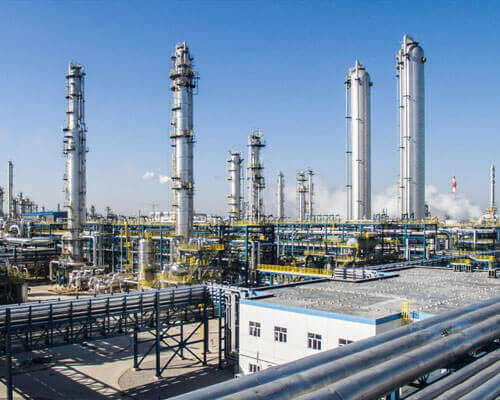
Running a chemical manufacturing site, every decision carries weight—from sourcing raw materials to investing in modern control equipment. Jiangsu Shenghong Petrochemical Industry Group Co., Ltd. has gained enormous attention thanks to its ambitious investments and massive integrated complexes. This doesn’t surprise anyone working in China’s chemical heartland. Over the past twenty years, the local chemical industry has seen intense growth, often led by companies quick to spot opportunities in areas like polyester feedstocks, aromatics, and the wider C2-C3 chain. Manufacturers face daily tests that leave little space for error, and I’ve watched peers wrestle with everything from volatile crude oil prices to shifting domestic demand for PTA and downstream textiles. Shenghong’s scale makes headlines, but the choice to commit to multi-billion-yuan “refining-chemical integration” brings its own set of headaches. Managing environmental burdens, optimizing logistics, and handling skilled labor shortages can be just as demanding as landing contracts or securing financing for another PTA train. Policy direction in China never stands still. Factories adjust to new national standards for emissions, wastewater discharge, and plant safety that demand real capital. Shenghong and other manufacturers need to install and actually run expensive desulfurization, VOC capture, and water treatment systems. Regulators knock on our doors unannounced, sometimes demanding document checks at a moment’s notice. There's a hard lesson here: it takes more than compliance paperwork to stay ahead. Waste reduction and clean energy improvements are not popular slogans—they’re survival tactics for operators who hope to keep their licenses in good standing. These pressures have motivated big spenders in the Yangtze River Delta, and seeing Shenghong’s investment in cleaner refining units and higher-value paraxylene output shows how seriously competitors view the new inspection regimes. For independent producers, each round of policy tightening eats into margins, hitting those who fail to modernize the hardest. Decarbonization remains an open challenge. Mandates for carbon trading and plant efficiency get stricter every quarter. Change comes down to whether directors risk immediate pain for long-term stability. Chinese producers used to focus on their own backyard, but global trade disputes, new tariffs, and pandemic-era port closures forced a rethink. Delivering bulk aromatics or polyester intermediates from the east coast to overseas buyers takes nerve, foresight, and constant communication up and down the value chain. Shenghong’s large capacity gave it the muscle to sign big export deals, but expansion brings a need for reliability many underestimate. Logistical snags, like port congestion or shipping container shortages, can erode months of planning. International partners judge us not by scale, but by our ability to meet orders, maintain clarity about feedstock changes, and transparently handle force majeures. Competing with global firms requires more than volume. Cost control is non-negotiable, as buyers in regions from Vietnam to Turkey show little patience for price increases, even when upstream volatility affects naphtha and condensate. We’ve found that production flexibility, on-time shipment, and open technical support matter far more than flashy names or local reputation. Contractors judge each batch by its performance in their own downstream units, not by industry media reports or boardroom news releases. Building true trust about QC, documentation, and after-sales support means standing behind what leaves your factory gate. Local companies compete aggressively on scale, but plant reliability and consistency come from process know-how and getting the details right. When a customer flags an off-spec batch, it takes skilled technicians and production managers with field experience to trace the cause—whether it's a process upset, raw material swing, or instrumentation failure. Shenghong’s willingness to spend on modern reactors, automation, and advanced catalysts sends a clear signal not only to competitors but to suppliers and buyers alike. Modern DCS systems, safety interlocks, and emissions monitoring transform daily operations, but only if the workforce knows how to use and maintain them. Finding chemical engineers, control systems experts, or HAZOP-trained supervisors is already hard. Smaller firms fear losing staff to giants like Shenghong, who can afford to provide better pay, more stable jobs, and career development opportunities. On the factory floor, there’s no shortcut to steady training and hands-on learning. The industry’s success will depend on attracting the next generation, offering them both job security and opportunities to work with new materials and safer, more efficient processes. Surviving and succeeding in China’s chemical industry depends on sweating the details. Raw material swings, frequent audits, unexpected downtime, and stricter environmental demands must be met head on. At the same time, companies capable of agile expansion, like Shenghong, show what’s possible with patient capital and focus on technology. For all players—from bulk intermediates to specialty lines—building a reputation for reliability, safety, and product quality earns contracts and opens the door to longer-term partnerships. In every corner of the chemical chain, the real winners are those who invest steadily in people, processes, and plant improvements, using setbacks to drive smarter operating habits rather than excuses. Industry change favors those ready to embrace it, not just survive it. CONTACT INFORMATIONWebsite:https://www.jiangsu-sailboat.com/Phone:+8615651039172Email:sales9@ascent-chem.com
Continue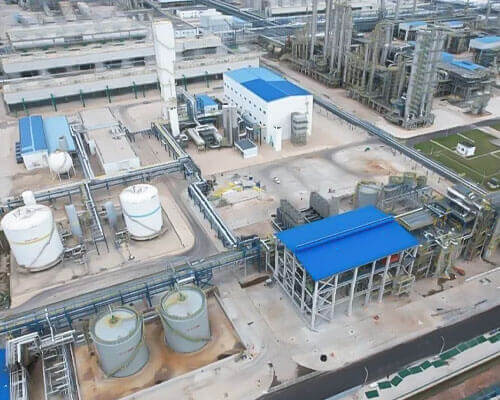
Our industry experiences fast changes, and the way Jiangsu Shenghong Petrochemical brings acrylonitrile to the market stands as a clear benchmark of that. Acrylonitrile doesn’t come easy: the process for making it demands a sharp eye for detail and a knack for solving large scale process challenges. Many overlook that balancing propylene, ammonia, and air in the right ratios means walking a tightrope—errors lead to runaway reactions or burdensome waste. Most chemical manufacturers who make acrylonitrile can recall early days in the lab, pouring energy into optimizing catalysts and engines to squeeze every ounce of efficiency from the reaction. Shenghong’s unit in Lianyungang isn’t just another number on the map; it incorporates some of the largest and most efficient production lines in Asia. That’s no easy feat in a sector where margins tighten every year and input costs refuse to sit still.Our team pays close attention to what happens upstream and downstream: in China especially, shifting dynamics have changed who shapes the market. Over the last decade, acrylonitrile producers in the US Gulf Coast held sway due to low natural gas prices. Now, with companies in East China like Shenghong investing heavily in world-scale naphtha crackers, the playing field is new. Fuel costs hit hard, but building integrated refinery-petrochemical complexes lets firms capture import alternatives and realize wider value. Shenghong draws its competitive edge from locking in feedstock supply at scale—sourcing propylene directly from its own units, instead of relying heavily on outside refineries or the uncertainties of propylene imports. This kind of control matters when global supply chains face recurring disruptions, sanctions, or outright shortages. A single plant’s vision starts to shape an entire region’s pricing and availability.Step into the shoes of downstream users: acrylic fiber and ABS resin makers keep their eyes trained on these changes, and not without good reason. The entrance of another major supplier into the local scene means more stable contracts, fewer price shocks, and improved delivery reliability. Large-scale acrylonitrile handlers like ourselves have walked through every angle of plant bottlenecks, emergency outages, and shipping headaches. For users, stable supply beats speculation-driven price spikes any week of the year, reducing risks that once pushed smaller operations out of the market. It also opens the door for future expansion in domestic deep processing, which used to be limited by feedstock uncertainty. When the basics are steady, users invest—new applications, new fibers, even new types of specialty resins—confident the supply won’t vanish or morph overnight.Manufacturing acrylonitrile isn’t just a technical challenge—it’s an environmental balancing act that keeps getting tougher. Local governments, especially in Jiangsu Province, step up the enforcement game year after year. Effluent treatment, flare management, VOC capture—these aren’t just buzzwords but daily realities plant managers tackle head-on. Shenghong’s plant in Lianyungang places particular focus on advanced waste heat recovery and tail gas incineration systems, which substantially lower unit emissions and cut back on odor complaints that once plagued older regions. In our own production journeys, we’ve learned that early, proactive installation of environmental monitoring and control systems ends up paying for itself, not just by staying on the regulator’s good side, but by cutting loss and improving yields. With public awareness rising, no manufacturer can afford to treat these systems as an afterthought.No one in the business shrugs off the energy bill from acrylonitrile: it’s heavy, and with the rise and fall of LNG prices in global markets, maintaining competitive edge calls for creative technical upgrades. From advanced reactor design to real-time process management software, every tweak can deliver surprising savings. Plants like Shenghong’s generate their own steam and reclaim process heat, but even with these advantages, we all battle labor shortages and the constant demand for highly skilled operators. In our experience, retaining senior technicians often means giving them a real sense of control over site safety and improvement projects not just cycling fresh recruits through training courses. Modern acrylonitrile production pushes digitalization far beyond the old automation panels; operator know-how blends with digital tools to predict and prevent mishaps before they ever touch the main reactor.Accessible and detailed information about production and quality never comes by accident. Sustainable long-term business relies on trust with consumers and converters. Our years of working with automotive, fiber, and chemical clients have shown that clarity in real-time quality and compliance data helps everyone plan better. Shenghong’s emergence brings more of this openness into the Chinese supply scene, since they focus on integrated management and direct supply relationships, avoiding layers of reselling that can hide defects and delays. It isn’t just a nice touch; traceability and clear complaint handling channels save countless hours and reputations. The market’s raised bar for documentation and accountability sets a higher standard not just for Shenghong, but for every other producer, ourselves included.Volatility in international trade, mounting green requirements, and China’s own drive for higher quality exports mean the acrylonitrile sector walks a tougher path today than ever before. Local players stepping up, like Shenghong, force us all to reevaluate old assumptions and put fresh energy into continuous improvement. No one expects the pace of change to ease up. Those who invest in flexible feedstock routes and environmental upgrades find themselves better insulated from supply and policy swings. On the ground, we see demand for acrylonitrile showing resilience, especially in battery separators and high-end ABS as EVs and lightweight vehicles become mainstream. At the same time, users across Asia expect tighter lead times and more predictable logistics, without paying premium prices. Getting there asks more than upgrading kit; it’s about building lasting teams, staying transparent in the market, and digging deep into process know-how that can’t be copied overnight.Pressure on producers like us only intensifies, but we know one thing—the sector moves forward when companies share lessons from plant expansions, debottlenecking campaigns, and resource streams. Engineers and operations staff, from local universities to company R&D teams, keep the conversation flowing about catalyst life, CO2 capture, and workforce training. Policy-makers look to our experiences in trial and error as they shape new industrial safety standards, and forward-thinking competitors set aside a few trade secrets to help the industry climb past the reputational crises of years past. Stronger competitors entering the field focus us all on higher yields, greener postures, and better working conditions to hold on to the next generation of chemists and plant workers. Progress in acrylonitrile manufacturing draws on every lesson learned—the mistakes on the night shift, the hardware that failed, and the courage to tackle the next big investment.
Continue
The surge of Jiangsu Shenghong Science and Technology has caught the attention of many in the chemical industry, and manufacturers like us are watching these shifts with both curiosity and respect. From our perspective on the plant floor, building up a company to such a scale does not just reflect strategic planning, but also a relentless focus on process optimization and resource integration. Shenghong’s vertical integration model stands out in particular. Rather than relying on scattered supplier networks or juggling unpredictable material flows, they have shown that controlling the full production chain cuts uncertainty. We’ve wrestled with global supply disruptions ourselves, so we recognize the stability that comes from substantial in-house petrochemical capacity. After multiple supply chain shocks, the value of independent access to both feedstock and advanced intermediates becomes crystal clear. It helps price-setting, protects delivery timelines, and makes product innovation much easier.One of the most striking aspects of Shenghong’s development is their investment in new technology and automation. Chemical production lines, when designed ten or even twenty years ago, didn’t anticipate today’s demand for both flexibility and stricter environmental control. Newer industrial complexes built from scratch in recent years integrate closed-loop solvent recovery, up-to-date catalyst recycling, and the kinds of emission control towers that were either too expensive or unavailable in the past. From first-hand experience, process upgrades don’t just help in ticking off regulatory boxes—they lower production losses and allow us to produce higher-value grades. Energy savings from new heat exchangers and pre-heaters are nothing to sneeze at either, considering how much power large-scale plants can guzzle.We also notice that Shenghong invests considerably in the production of polyester intermediates and specialty chemicals. That kind of specialization opens doors. Our own experience making specialty monomers and additives gives us insight into the sheer scale of quality controls and formulation testing needed to hit customer spec every time. Getting this right is not a matter of simply swapping out reactors. It takes chemistry know-how, a laboratory with technicians who can troubleshoot problems at odd hours, and management that listens to feedback from both R&D and the field. Shenghong’s path reflects a similar emphasis on specialty production, rather than settling for basic bulk commodities. Deep involvement at every stage of the process lets a company react fast to shifting buyer trends—such as demand for more recycled input or lower environmental footprints in finished goods. Knowing where the market is heading, and having the plant capabilities to follow quickly, makes the difference in crowded markets.For many chemical manufacturers, the headline-grabbing projects in Lianyungang and other industrial parks can raise worries about oversupply or margin squeezes. There’s always apprehension in any industry that producing too much invites a new round of fierce price competition. Shenghong's massive capacity in PTA and other polyester chemical building blocks may change the trade flows we've become used to, and the knock-on effects could reach not only textiles but packaging, plastics, and coatings. Some plants will have to modernize, others may seek more sophisticated applications, and a few may exit the business. It motivates everyone in the sector to focus more on product differentiation and cost controls.The environmental impact of large-scale chemical projects has never been far from our minds. As a company with decades in production, we know that permits and compliance are only the start. Real-world operation demands investments in waste handling, emissions monitoring, and water treatment infrastructure. While strict Chinese regulations now require detailed disclosures and public scrutiny, constructive relationships with local communities and government matter just as much. Neighborhoods that trust the plant to handle accidents or off-gases are rare commodities. Beyond formal audits, local goodwill counts. Shenghong’s high visibility in this regard signals they aren't cutting corners on environmental controls. They are setting the pace, and the rest of us ignore these new standards at our risk.Labor force development and retention are other key factors. We’ve learned that recruiting and training qualified operators, chemists, and maintenance teams cannot be taken for granted. Shenghong’s expansion signals strong local support and a commitment to technical education. Modern plants run on both physical assets and people who can spot problems before they turn into shutdowns. Training hands-on teams and building a workplace culture where reporting and fixing near-misses is encouraged pays off in lower incidents and greater plant uptime. As an established manufacturer, seeing younger competitors pour money into staff development is a direct call to re-invest in our own talent.The embrace of digital tools like process monitoring, predictive maintenance, and real-time quality assurance brings a competitive edge that leaves little margin for those unwilling to adapt. Every hour of unplanned downtime in a production campaign translates to lost production, expensive overtime, and wasted raw materials. Effective use of these technologies has allowed forward-thinking producers to better track yields, anticipate maintenance needs, and satisfy demanding customer audits. Shenghong’s reported adoption of these digital management systems puts pressure on traditional operators to catch up or risk falling behind. So the digital transformation is more than buzzwords—it’s now essential to keep pace.The fiber and plastics supply chain that depends on these advanced chemicals is evolving rapidly, especially with new sustainability targets coming from global brands. Customers now demand more traceable materials and push for lower lifecycle emissions. For us, working with buyers who increasingly send their own auditors and demand documentary proof of compliance with safety, health, and environmental standards is the new normal. Shenghong’s size and reputation give them advantages in scaling these solutions, but smaller producers like us find ways to offer niche value, fast response, and relationships built on day-to-day problem-solving.What stands out most about Jiangsu Shenghong Science and Technology is their ability to execute large, capital-intensive projects in a short timeframe. Delivering a mega-scale integrated chemical site is no small feat. The challenges start with site preparation and continue through utility management, supplier qualification, and workforce ramp-up. We know that problems such as corrosion, catalyst fouling, or unexpected off-quality batches can derail timelines—being able to hit design output with minimal commissioning setbacks is a testament to both engineering quality and disciplined project management. For the broader industry, Shenghong's concrete results show that it is possible to pursue both capacity scale and higher efficiency when management backs up ambitions with enough resources and expertise.As producers, we recognize that the success of one market leader transforms industry expectations. Processes proven successful by Shenghong soon become the yardstick others are measured against. If one group can offer products with better batch consistency, faster delivery, or lower process costs, customers come to expect the same everywhere. Industrial chemistry rewards those who continually improve and learn. At the end of the day, headliners like Shenghong press the rest of us to focus on real process improvements, invest in talent, adopt workable technology, and pay attention to both external and community demands. That cycle of healthy rivalry is what drives progress across the sector, and ultimately raises the bar for everyone making modern chemical products.
Continue







Feel free to call us
+8615380400285 sales2@ascent-chem.com