News

Latest news and updates from our company

Shenghong Group Dongfang Shenghong
2026-04-23

Shenghong Group Dongfang Shenghong

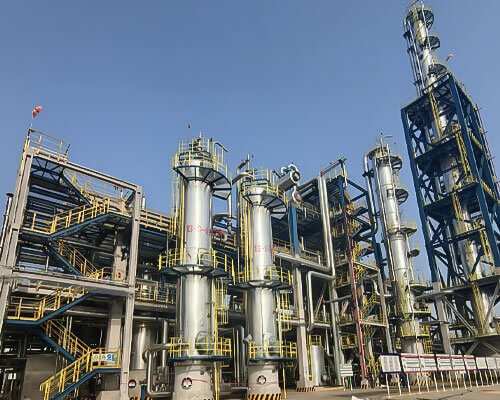
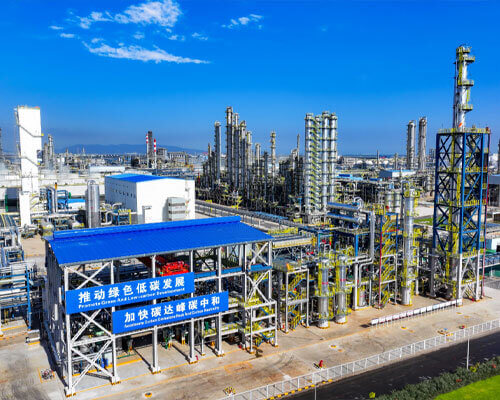
In the world of chemical manufacturing, scale can either drown innovation or drive it forward. As someone who has seen decades unfold from within a production facility, watching what Shenghong Group has done at Dongfang Shenghong catches the eye. Massive investment has gone into the latest petrochemical bases—polyester, refining, new energies—all stacked into an industrial chain that is as daring as it is comprehensive. This isn’t just about churning raw materials through another refinery. Vertical integration cuts out layers of middlemen. High-precision automation and process control systems installed by homegrown engineers reduce manual errors and help maximize output per employee, which matters on the margins. There’s no pretending otherwise: costs per ton fall, energy efficiency rises, and those results reach every corner of the plant. The sheer ability to scale up production without letting quality standards slip comes only through relentless focus on continuous improvement and deploying the sharpest minds not just in operations, but also in digital analytics and equipment design.Turning the wheel on a distillation column every shift isn’t enough in a landscape crowded with global competitors. At Dongfang Shenghong, the pace of innovation emerges from the chemical reactor bed, not just the boardroom. The R&D labs on site are not showpieces; they run pilot lines, test advanced catalysts, search for lower-emission feedstocks, and feed their results directly into the main plant. For years, we saw older reactors run only two or three cycles before shut-off for cleaning. Now, improved monitoring and adaptive controls from the site’s own IT backbone give us live stats, reducing downtime dramatically and slicing into maintenance costs. Products like PTA or advanced polyesters benefit when we reduce impurity content and boost throughput. Collaboration across the entire supply chain and direct access to the plant’s control rooms has allowed researchers to speed the leap from lab batch to industrial output. The end result: higher value-add at every point, and the flexibility to pivot when downstream markets demand specialized resins or new functional plastics. In my own work, collaboration with on-site engineers and lab staff means theory quickly meets practical constraint, and both sides leave better informed for the next challenge.No one inside a plant turns a blind eye to environmental concerns. Residents in the surrounding area depend on clear air and clean water. Local authorities ramp up emissions checks, and public scrutiny forces every plant manager to face facts about legacy waste streams and measured emissions. At Dongfang Shenghong, investments in waste heat recovery, advanced wastewater treatment, and automated emissions control don’t come because of flashy press releases—they come because any shortcut gets caught sooner or later. Scrubbers, catalyst beds, and high-grade membranes for wastewater have been installed at significant cost, and experienced operators watch the readings shift in real time, not in two-week-old printouts. My shift team worked through more than one surprise system alarm due to online monitoring that caught issues before anyone outside could call us to account. Incremental improvements stack up, and every ton of product that leaves the gate must meet a stricter bar year by year. We know that capturing that value is what keeps the gates open. Carbon reduction targets aren’t just boardroom slogans; they trickle down to line supervisors recalibrating burners and chemistry leads tweaking recipes to shave percentage points off emissions tallies.Behind every automated conveyor belt and every finished drum, people’s hands still matter. Dongfang Shenghong’s operations at every level rely on skilled technicians, line workers, process engineers, and safety staff who walk the plant each day checking gauges, tightening flanges, and running samples through analyzers. Workers regularly rotate between control room screens and plant floor assignments, gaining an understanding of not only standard procedures but the quirks of each reactor or filter system. In the past, it was not unusual to see high turnover among technical staff, but rising training budgets and internal certification programs create real career ladders that keep experienced hands on board. I have trained more than one young apprentice who started with little background and ended up handling shutdown procedures for the largest reactors—skills that cannot be replaced by any software alone. In a sector facing growing demand for automation and digitalization, no plan will work unless the people inside the system own the results, share accountability, and push safer, leaner operations from within.The export horizon for Chinese chemical products no longer feels distant or abstract. Dongfang Shenghong’s position within global supply chains became visible the day shipments left for Europe and Southeast Asia. Requirements for product traceability, sustainable sourcing, and compliance come not just from regulations at home, but from direct contracts with major international buyers. Quality audits by world-leading technical teams, both announced and unannounced, happen on a regular basis. Meeting stricter regulations means investing more attention in trace-level impurities, shipping documentation, and real-time data logging. We’ve seen first-hand where a missed tolerance creates headaches at the border, and learned to build quality into the process, not just at final inspection.From my view on the production line, every new complex or product launch faces two competing forces: push for bigger, faster output and commitment to safety, quality, and responsibility. Dongfang Shenghong and the broader Shenghong Group do not get everything right the first time, but lessons from missteps often become the catalyst for the next leap in process stability or energy saving. Real change has come each year as stricter enforcement, rising customer expectations, and fresh environmental rules push the boundaries of what’s considered possible on site. Turning insight from daily experience into plant-wide improvement gives weight to every small adjustment and experiment run by frontline staff. That is what makes this generation of chemical manufacturing different from what came before.
Read More
Jiangsu Sailboat Petrochemical Co., Ltd.
2026-04-23

Jiangsu Sailboat Petrochemical Co., Ltd.

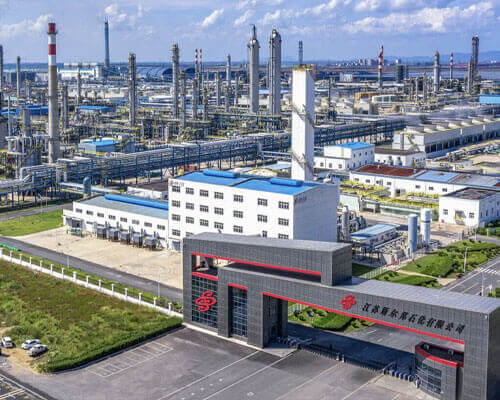
 Working in the heart of the petrochemical industry, I have watched Jiangsu Sailboat Petrochemical Co., Ltd. move from a regional name to competing at a global scale. On plant floors, the difference shows up in both their product output and the size of their operations. Sailboat runs one of the largest integrated C1 chemical parks, which lets them produce methanol, acetic acid, olefins, and polyolefins in a single site. Running a facility like this calls for integration not just in machinery but also in decision-making across supply chain, process control, and emissions management. From raw material intake to fine-tuning reactors, their scale comes from persistent investment in both tech and people. In this business, no shortcut can substitute for reliability at industrial levels – every ton of output has to match specs, and every deviation eats into margins and customer trust. Sailboat’s steady capacity growth wasn’t achieved by brute force or government decree; it came from making tough calls on process upgrades, staff retraining, and risk management over years.  The chemical landscape in China evolved rapidly over the last decade, and Sailboat’s journey mirrors some broader changes. Previously, the industry centered around basic building blocks like methanol or acetic acid, often battling for razor-thin profits. Sailboat branched out – synthesizing downstream products, especially high-end specialty materials that feed into everyday plastics, automotive parts, and textile fibers. This move shifted jobs from basic operators to engineers, designers, and research staff trained in both automation and material science. As a manufacturer, adding value downstream isn’t just about fatter margins. Clients, especially those in domestic appliance and car sectors, now push for better resin quality and more precise additives. We’ve traded years of “volume first” thinking for “application matters most.” Sailboat’s expansion into polyolefins and differentiated solvents reflects that shift. For workers, new jobs mean higher skill demands but also more secure employment, especially when investments align with changing environmental rules and customer needs.  Raw economics tell only half the story. From inside a chemical plant, tightening sustainability rules hang over every upgrade. Government pushes on green manufacturing forced every player, including Sailboat and manufacturers like us, to take emissions seriously. Large integrated parks offer an edge: waste gas recovery and water recycling get easier when operations run side by side with shared infrastructure. Sailboat built central waste management facilities, setting up systems that capture fugitive volatiles, reprocess effluents, and anchor circular processes. Being in manufacturing means facing inspections where success hinges on every batch report and stack reading. Customers, especially those exporting intermediate materials, demand proof—not promises—that we reduce energy use and emissions. For us, this often means adopting advances Sailboat helped pioneer—online sensors for process control, high-efficiency catalysts, and better solvent recovery loops. None of this comes cheap or fast, but ignoring it erodes both local license to operate and international access. Sailboat’s investments improved their own results, but the whole region benefits when a leading company shares lessons and suppliers upgrade standards.  Living through cycles of methanol price crashes or sudden spikes in downstream demand showed us that scale isn’t a safety net on its own. Sailboat experimented with long-term contracting for key feedstocks, cutting their vulnerability to global crude oil or coal price swings. For others in the area, including us, Sailboat’s approach to logistics—coordinating storage, barge movements, and on-site rail—lowered our own risks. The last few years of pandemic disruptions and geopolitical tensions reinforced a lesson: predictability counts for more than speed. Sailboat’s park model absorbs shocks better, sharing raw materials, utilities, and even skilled labor across companies. Access to a high-quality local supply base for specialty chemicals and catalysts trimmed lead times, letting us shift production on short notice without waiting for imports. Market moves fast, but operational flexibility and reliable partnerships keep us in the game when new surges or abrupt slowdowns hit.  Manufacturers in the chemical sector don’t thrive by working in isolation. Sailboat’s close ties with industry research centers and process licensors allowed them to test advanced catalyst systems, crack tougher feedstocks, and make cleaner grades of basic chemicals. We joined consortia developing new process analytics and digital controls, often following trails Sailboat blazed in early pilot projects. From here, the next leap won’t just come from scaling up old plants but from reimagining what goes in and out of every process line. Electric-driven synthesis, green hydrogen integration, smarter membrane separations—all these trends move out of labs and into industrial practice much faster when anchor tenants like Sailboat put weight behind them. Factories like ours gain, but so do nearby communities who rely on safe water, cleaner air, and stable employment.  Running a chemical plant means facing daily hurdles—feedstock quality shifts, equipment fouls, and labor shortages crop up more often than headlines suggest. Sailboat’s scale brings both advantage and headache. Their central labs track product specs batch by batch, offering ideas for process tweaks across the region. Still, every improvement carries price tags: upgraded compressors, advanced training programs, even new safety systems. Smaller manufacturers sometimes struggle with costs or learning curves. Regional forums and supplier alliances, often seeded by Sailboat’s leadership, bridge gaps and create chances for joint investment in tech upgrades or bulk purchasing. Funding from both private and government sources makes a difference, but nothing replaces practical know-how gained from keeping plants running under real pressure. Sharing maintenance lessons, rotating staff through partner sites, and rotating leadership staff have slowly built a chemistry knowledge base across the whole industrial park. Strong technical roots make surviving regulatory changes and market turmoil more realistic.  From a manufacturer’s view, Sailboat’s experience shows that bold bets on integration, green upgrades, and downstream diversification pay off when paired with long-term thinking. Building lasting partnerships—in suppliers, in logistics, in technical exchanges—creates a foundation stronger than public announcements can show. For those of us making chemicals every day, reliability, adaptability, and hands-on problem solving stand above slogans or targets put on slides. Learning from Sailboat and their evolving practices helps us all carve out a better future—one batch, one process, and one training session at a time. CONTACT INFORMATIONWebsite:https://www.jiangsu-sailboat.com/Phone:+8615365186327Email:sales3@ascent-chem.com

Read More
Jiangsu Sailboat Petrochemical Ethylene-Vinyl Acetate Copolymer EVA
2026-04-23

Jiangsu Sailboat Petrochemical Ethylene-Vinyl Acetate Copolymer EVA

 For those of us who have spent years monitoring the hoppers, troubleshooting autoclaves, and hearing the thump of the extruder, the growth story around EVA at Jiangsu Sailboat Petrochemical can’t just be measured in glossy press releases or government statistics. Every time someone highlights EVA as the magic polymer for solar panels, shoe soles, or films, it echoes what we learned the hard way: this is a material that ties together global manufacturing ambitions with the discipline demanded by polymer chemistry. Not every operation scales up EVA kopolymerization with the sort of control over reaction conditions that we sometimes take for granted until something goes off spec on a run. The process at Sailboat reflects the pressure we all feel; expectations for consistency keep rising across every market, from adhesives to photovoltaic encapsulation. Our engineers didn’t wake up one morning and decide to chase EVA because it looked trendy. Two big realities drive the expansion. Downstream customers have begun to expect faster deliveries after years of foreign supply chain snags; nobody accepts excuses when converters are waiting to run their lines in Suzhou or Jakarta. Key grades, especially in high demand for solar encapsulant or foam applications, have tight property windows. Sailboat has tackled that by investing in new lines, but also by working closely with operators to refine process recipes. The company faces the same challenges that hit any large-scale ethylene-vinyl acetate plant—polymerization needs precise dosing, reliable impurity control, not just big reactors. Anyone who has ever seen off-odors or yellowing in a compounding batch understands how quickly customers can lose faith in your technical claims. Bringing consistency to copolymer properties doesn't come from buying the latest Western equipment alone. The real work comes from teams who study how trace catalyst residues or even slight temperature fluctuations in autoclave or tubular reactors shape molecular weight distribution. Over the years, our chemists and engineers have learned that EVA intended for thin-film or hot-melt adhesive markets needs tighter vinyl acetate content control than what commodity cable compounds tolerate. Audible alarms and digital dashboards help, but if you ask the crew who shepherd the process, they’ll point to tough nights when they caught a drift in reactor pressure or picked up a subtle sign of foreign particle contamination. Quality isn’t a slogan—it's a daily struggle with reality, magnified by customer audits and third-party tests. Markets keep talking about 'green transition,' and Sailboat’s EVA keeps feeding the solar boom. That goes beyond making chips or scoring headlines—a missed shipment or rejected shipment stalls a module line’s output, which slows solar adoption downstream and upsets buyers looking to meet peak power deadlines. Long before customers see their encapsulant roll or their foam sheet, operators in Lianyungang watch batch curves, analyze melt flows, and debate maintenance schedules. Reliability on these lines means not just production output, but minimizing scrap rates and energy loss. Our own experience tells us that smart plants don’t brag about 'capacity'—they focus on uptime, material in spec, and how fast support teams can troubleshoot an issue. EVA producers bear the brunt of raw material volatility. Ethylene feedstock prices have seesawed all year, pushing procurement teams to hedge and make hard calls about inventory. Anyone who thinks growing scale insulates you from risk hasn't tried to keep reactors running during market turmoil. We’ve watched buyers try to time resin purchases, only to lose out as prices bounce back. Sailing through those storms takes discipline on the purchasing side and accountability in every production crew on shift. Supply chain disruptions force us to reconsider not just logistics, but where we store buffer stocks and how we guarantee continuity for long-term contracts locked in months ago. What’s often overlooked in industry commentary is the value of close partnerships between polymer producers and end users. EVA used in solar panel encapsulation, wire and cable, or footwear has specialized needs, and the best feedback flows in both directions. OEMs and converters often share process data, qualitative feedback about color, odor, or downstream property shifts, especially at higher outputs. Sailboat engineers don’t just run numbers, they engage in technical workshops and troubleshooting sessions that ground material design in practical reality. The R&D labs aren’t cut off from the world outside; their work bridges factory-floor challenges with materials science theory. Looking ahead, one growth lever stands out: using catalysis and process analytics to deliver narrower property windows in high-value EVA applications. That approach requires more sensors, more statistical process control, and real-time analytical support—from GPC to FTIR—instead of just relying on classic physical property tests. Our plant invested heavily in process analytics, making it faster to adjust recipes and retarget production lines. Where residues or off-grade batches once made headaches for line managers, newer quality assurance protocols pick out deviations before a container hits the shipping yard. Outpacing global competition means embedding know-how into both hardware and how teams communicate; the smoother those links, the less wasted resin and the higher the trust with downstream partners. Jiangsu’s EVA story reflects larger realities every manufacturer recognizes: technical precision matters, customer trust is fragile, and market cycles don’t wait for anyone to catch up. Strong EVA supply doesn’t just shape the prospects for local factories; it opens space for regional converters and OEMs to think bigger. The progress on the production line is watched daily—and people in these jobs know, in a tangible sense, that each pellet extruded connects today’s local economy to the world’s highest-growth product sectors. For everyone handling EVA compounding, lamination, or extrusion, success comes not from headlines but from quietly meeting technical standards, batch after batch. CONTACT INFORMATIONWebsite:https://www.jiangsu-sailboat.com/Phone:+8615365186327Email:sales3@ascent-chem.com

Read More
Jiangsu Sailboat Acrylonitrile
2026-04-23

Jiangsu Sailboat Acrylonitrile

 In the chemical industry, stories about acrylonitrile capacity in Jiangsu Sailboat often make the rounds. Most outside observers see an announcement, a technology name, or some production target, and leave it there. Our reality behind the factory gates always runs deeper. Producing acrylonitrile is not about flicking a switch or simply setting up another column. Everything starts with the sourcing and handling of basic raw materials. From upstream propylene, ammonia, and air to downstream temperature and pressure controls, the production line faces countless constraints. These become especially evident as operational costs fluctuate, environmental policies tighten, and the push toward resource efficiency intensifies. For us, every permit, shutdown, or process upgrade means careful calibration, retraining, and investment in both people and assets. Workers on the ground, not just automation equipment, remain essential to keep the plant safe and efficient. What news stories gloss over—the experience, teamwork, and local expertise—makes up the backbone of Jiangsu operations.  Demand for acrylonitrile forms the base of many supply chains, especially with its connection to ABS, fibers, and other plastics that end up in thousands of daily-use goods. Manufacturers at our level see not only customer orders, but also questions around purity, color, and even odor—all direct reflections of upstream process control and tightness in feedstock quality. Recently, the pressure from both regulation and public opinion has changed how we approach production planning. Vent gas treatment, water recirculation, and even how waste heat recovers for steam generation all factor into daily decisions. We do not have the luxury of thinking purely in monthly or quarterly quotas; the environment and local community demand immediate responsibility. To address these risks, we have spent years refining everything from catalyst changeout schedules to leak detection and repair routines. The idea of clean and efficient production forces us to keep learning and improving on every batch because regulatory fines and strained community relations hold immediate consequences.  Much gets said about new plants coming online or the promise of next-generation catalysts. These certainly help, but nothing substitutes for operators who know how to diagnose issues before they turn costly. We see the difference in yield shifts before and after an overhaul, and we track the root cause of unexpected results down to minute details like cooling tower drift or small inconsistencies in gas flow. It takes both data analytics and intuition learned from years walking the same production corridors. Our engineers lead continuous improvement, drawing from long shifts and past mistakes, rather than just vendor slideshows or industry white papers. The best results often come from marrying global innovation with local habits. For instance, even with modern distributed control systems, we still value handwritten shift logs and face-to-face equipment inspections. Trust builds from open communication between day and night teams, supported by honest reporting on both setback and progress.  Supply chain shocks hit every link in acrylonitrile production. Whether a weather event disrupts logistics, or a feedstock spike makes a process uneconomical, the burden lands on manufacturing. Our planners and shift supervisors have learned the importance of flexibility in both feed and product storage. We cannot control every external factor, but we maintain inventory and strengthen relationships with logistics partners. Our emphasis has been on redundancy—both in equipment and on contracts with multiple suppliers. When swings in propylene or ammonia prices squeeze margins, we look for both technical and behavioral responses: adjusting reaction parameters, scheduling maintenance, and even doubling down on preventive training. This approach saves costs and extends plant life, but most importantly, it keeps our commitments to customers and employees firm. There is a respect that comes only with delivering on obligations despite unfavorable conditions.  Looking ahead, we see little value in overpromising breakthroughs that cannot survive first contact with reality. The production of acrylonitrile will face ever-increasing scrutiny from regulators, the community, and downstream users. Pressure on sustainability and traceability grows each year, especially as global markets demand more responsible sourcing. Our strategy relies on more than hoping for external market recovery or the next revolutionary catalyst. We focus on methodical upgrades—retrofitting reactor trains, overhauling pollution control, increasing digital monitoring coverage, and reinforcing training programs. Every investment aims for incremental improvement, not headlines. Our years in the field have taught us that sustainable gains come from the steady accumulation of operational lessons, adaptation to new standards, and honest evaluation of both achievement and shortfall. This is how we keep Jiangsu Sailboat acrylonitrile production reliable, responsible, and relevant to the world beyond plant boundaries. CONTACT INFORMATIONWebsite:https://www.jiangsu-sailboat.com/Phone:+8615365186327Email:sales3@ascent-chem.com

Read More
Sailboat Petrochemical
2026-04-23

Sailboat Petrochemical

 At our manufacturing plant, we wake up every day in the thick of sails, solvents, heat, and raw feedstock. Headlines lately have turned a spotlight onto Sailboat Petrochemical, and so many voices jump into the conversation from the outside. From the inside, I don’t see theory or abstract trends. Our team sees the trucks pulling in, the control panels blinking, valves tested and retested. Every kilo of product starts with hydrocarbons: naphtha, ethane, or sometimes propane, funneled in through the backbone of the plant. It passes through cracking furnaces where temperatures strip the bigger molecules down into the chemicals that keep everything running—ethylene, propylene, and their companions.  Skeptics sometimes question Petrochemical’s value or longevity. I’ve watched lines of polyolefins, solvents, and synthetic rubbers roll out for years without interruption. Each drum, tote, or tanker connects to something real—insulation in homes, flexible packing for foods, simple medicines found in every cabinet, appliances that last for decades. Modern agriculture runs on the plastics we shape; cars survive corrosion thanks to engineered additives drawn from the work of our reactors. Certain voices outside the plant picture a petrochemical industry locked in the past. Inside, everything gets tested, audited, and improved nonstop. Energy-saving distillation trays, fugitive emission detectors, process integration—we touch every stage, tracking where raw materials end up and how heat or waste can be cut down.  People say regulation and climate change throw up new hurdles, but responsibility for our output and its effects lands directly with us. Today’s plants can’t get away with a quick fix. Every year, inspectors show up from agencies, clipboards in hand, sometimes searching for something out of line. Failures become shut-downs, fines, or even worse: damaged trust. So every upgrade and maintenance round lands with the same question—can we boost efficiency while reducing flaring, material loss, or CO2 footprint? Hundreds of workers put heads together over process heat integration, wastewater treatment, flare minimization, or chemical recycling. Each proposal means walking the floor, discovering old leaks, and trading stories with engineers who remember old mistakes. Often, heavy investments go into new catalyst beds, modular pollution scrubbers, or alternative power feeds. Not always cheap to do, progress keeps our doors open as standards evolve year after year.  Much of the public doesn’t see how often Sailboat Petrochemical collaborates directly with research teams, universities, and community groups. We open our process up for audits, sponsor pilot projects in circular plastics, and sometimes pull in external consultants to redesign parts of the plant. Some of our most effective emission reductions grew out of shop-floor suggestions—a gasket swapped to stop vapor loss, tweaking a compressor to draw less power, or shifting the heat exchanger schedule after noticing temperature swings. Government incentives play a role, but everyone here knows the ultimate benefit is long-term viability: keeping jobs and the economic backbone of the region intact.  Business doesn’t stand still in this field. Sailboat Petrochemical faces swings that come quick and often without warning: global oil prices change, feedstock costs spike, customers bring sharper demands for quality and turnaround. During rough periods, we double down on logistics, make tough production choices, and negotiate to set up more stable supply agreements. When prices recover or new markets open, our tanks and silos fill right back up. We train operators and engineers to work across disciplines: troubleshooting a valve glitch one day, fine-tuning batch purity the next, or drilling down into the root cause of a failed shipment.  Challenges show up from customer side, too. We field questions about biobased feedstock, about chemical traceability, about standards for toxicity and off-gassing. Every answer draws on detailed batch records, years of trials, and tracking of quality from reactor to shipping dock. Many upstream products will change over coming years—recycled feedstocks, lower-carbon input, or catalytic pathway revamps. We see it already in experimental runs: cracked monomers from plastic waste, or small but growing orders of renewable-derived alcohols. Each year, more contracts push for emissions data and process transparency. We answer not just with paperwork, but with plant tours, safety demonstrations, and side-by-side development with technical teams at customer sites.  Without a committed workforce and an openness to new technology, Sailboat Petrochemical couldn’t keep pace. Career stories here last decades, with techs who began as apprentices now leading shop teams. Investing in operations means hiring local, running safety drills, encouraging everyone to upskill—from control-room automation to basic maintenance all the way to advanced process analytics. The closed-door days of “trade secrets” have passed; we thrive by sharing workable solutions, learning new software for plant optimization, and testing sensors that link chemical performance to real market data.  From the moment we light the crackers to the second a product signs out at the gate, we commit every step to practical stewardship—quality, consistency, safety, and flexibility. New technology isn’t a buzzword on a brochure: it’s the computer upgrade that lets us predict yield with tighter margins, a scrubber retrofit that keeps air far cleaner, or a new polypropylene blend that helps a customer meet new regulatory limits. Most of the staff here have lived through regulatory overhauls, material shortages, and once-in-a-generation storms. People come in not just for the paycheck, but for the satisfaction of seeing a complex plant run right—where each job done well keeps both product and community healthy.  Upstarts and critics talk about disruption. Within the plant, talk focuses on real deadlines, new projects, and the challenges from climate and resource constraint. Leadership with hands-on experience, deep technical training, and a strong link to the local workforce turns concepts into action faster than any outside consultant or think tank report. The sailboat itself stands as a metaphor here for constant motion and adaptation. Sailors adjust the rigging daily, steer through squalls, and always watch for new wind shifts; so do we.  Looking ahead, we don’t pretend that petrochemicals solve every problem. But as long as industry and society run on materials derived from basic hydrocarbons, our job remains: manufacture as reliably and sustainably as possible, invest in people and plants, and earn trust, not just profits. From the ground up, the stories, lessons, and advances from the manufacturing floor drive everything forward. Even under the shifting winds of regulation, technology, and demand, Sailboat Petrochemical continues to fuel and shape the world, one reaction at a time. CONTACT INFORMATIONWebsite:https://www.jiangsu-sailboat.com/Phone:+8615365186327Email:sales3@ascent-chem.com

Read More
Jiangsu Hongjing New Materials Co., Ltd.
2026-04-23

Jiangsu Hongjing New Materials Co., Ltd.

Chemical plants once echoed to the rhythms of engrained routines and well-worn expertise passed from shift leader to apprentice. In today's world, the industry keeps moving fast, pushed by new technical standards, aggressive environmental reforms, and the continual demand for value up the supply chain. Jiangsu Hongjing New Materials Co., Ltd. regularly appears in trade journals and conference conversations lately, emblematic of this rapid shift. Their evolution mirrors what producers face across the board and what keeps many production managers up at night—balancing scale, precision, and regulatory scrutiny without sacrificing quality. As someone who oversees complex synthesis lines, I see firsthand the way refining a process sets off ripple effects from procurement to the drum line. Keeping every operation tightly controlled, even with new tech involved, turns out to be a test of both patience and dogged attention to what happens at the smallest level.At Hongjing’s facilities as reported in industry press, equipment layouts have changed and process controllers replaced with smarter systems. This isn’t done purely for show. The race to sharpen efficiency or cut cycle times doesn’t stop, not just because energy prices keep creeping up, but because margin pressure often leaves no alternative. In our own experience, updating reactor controls delivered a happy surprise in lower reprocessing needs, helping annual output climb in a way that wouldn’t have happened with a simple tweak. The upgrades forced a tough learning curve for seasoned operators but, after a few difficult quarters, made everyone less tied to manual checks. Hongjing’s path underscores how upgrades pay off where audits matter—on batch consistency and in documentation. Process engineers at the plant floor can sketch a new workflow, seeing how it affects emission streams or feeds into total solvent recovery. These technical details grow crucial where local and international authorities step up monitoring. Foul up a reporting file or push a vent emission past a target, and everything screeches to a halt for days. With new analytics gear, it’s now possible to catch these faults early. Those who resist investing soon watch efficiency and compliance drift out of reach, just as raw material costs rise. Skimping rarely turns profitable in this business.Real manufacturing, especially in chemistry, has always come under the microscope for its local environmental effects. Stories from Yixing and other industrial centers describe public meetings, where factories open their doors and discuss emissions, water use, and odorous compounds. Reputation isn’t won with a press release; it’s built, year after year, by hitting targets and showing up in the data every April when self-reporting hits public records. Reports highlighting Hongjing’s commitments echo a broader trend where production volumes can only rise if permits stay valid. We learned this lesson several seasons ago, as tougher wastewater limits arrived faster than expected. Replacing an entire filtration train took grit and some late-night troubleshooting, but the difference became obvious: less risk of fines, stronger trust with local leaders, and greater flexibility for future projects. The headaches paid off later. It’s a point worth stressing: regulatory shifts don’t care about yesterday’s standards. If new rules drop benzene targets by half, you solve for it or watch export customers vanish. Ongoing scrutiny demands improvements not only to process but also to community trust—only succeeded by showing verifiable year-over-year progress.Buyers from North America to Western Europe have shifted toward stricter specs in the past few years. Whether producing for microelectronics, lithium-ion batteries, or advanced coatings, impurities that once escaped attention now kill deals before a sample even leaves the site. Hongjing’s product lines draw attention as part of this story; trade data shows export figures rising for the exact specialty compounds requiring tightest control on trace metals and residuals. I can recall times on our floor where a single lot, out by just a hair’s margin, cost weeks’ worth of unraveling. Downstream users watch every particle; a delivery late because a lot failed means a month lost. Hongjing’s success selling abroad stems from investments in analytical chemistry and a willingness among managers to hold batches that would have slipped through less rigorous QA lines a decade ago. In my own team, upgrading the QC lab wasn’t easy—high-res spectroscopy and tighter batch logging carry steep upfront cost, as does training new techs. Yet the alternative—a reputation for inconsistency—shuts out opportunities for good. Producers committed to the global market eat the cost of best-in-class labs, knowing the payoff reflects not just in less scrap but in the trust of repeat buyers.No machine or process, no matter how finely tuned, replaces the needs of people working inside the plant. As the scale of facilities grow, onset of shift fatigue or loss of focus presents risks that can erase productivity gains. The pace of investment at Hongjing and similar manufacturers triggers a need for robust training and a culture where safety protocols don’t slip, even after the hundredth identical run. Occasionally we’ve had to shut down lines to reinforce procedures, remind teams why a shortcut on PPE or a missed log entry can blow months of progress. Too many in this industry have stories from colleagues about near-misses traced back to overwork or overlooked details. Building expansion means making room for both new technicians and retraining veterans used to old ways. It’s rare that any new initiative succeeds without buy-in at every level. Bringing everyone onboard involves more than memos; it’s daily walks through production bays, hands-on coaching, and a willingness to update routines as the real-world demands change.Over time, companies once wary of sharing details now open limited technical exchanges, recognizing that many operational headaches cut across rivals. I’ve witnessed this up close—site visits and joint seminars reveal how a filter retrofit or a change to dosing sequence solved real bottlenecks for two or more plants along the same river. Stories about Hongjing’s willingness to partner on research projects signal a growing acceptance that industry reputation and individual growth travel together. This knowledge flows in both directions. My plant has picked up practices first pioneered by regional competitors, sometimes improving them, sometimes adopting them outright. Far from giving away trade secrets, these shared lessons prevent the cycle of repeating costly errors, especially as resources tighten and competition intensifies for both talent and market share. Global customers often demand certifications or third-party audits, making collective credibility a shared asset. The tradition of fiercely guarded know-how shifts to a more open ecosystem, where success looks like faster innovation cycles and shared risk reduction across the supply chain.Watching the rise of large-scale players such as Hongjing matches a broader trend in chemical manufacturing where only the most adaptable thrive. As export demand grows and technology cycles speed up, plant managers and engineers sit at the nexus of change, finding ways to push up output at stable or lower cost. Investment in smarter automation and analytical systems demands more than budget approval; it takes cultural change inside workshop teams. Those able to respond, resisting the urge to cut corners, stay in the game. The stories behind export figures and new process lines rarely get told, but every plant worker knows exact costs and the struggles behind each success. Suppliers at the top of today’s lists only remain there by building trust one drum, one shipment, one partnership at a time.

Read More
Lianyungang Shunmeng Trading Co., Ltd.
2026-04-23

Lianyungang Shunmeng Trading Co., Ltd.

Every manufacturer in the chemical industry sooner or later crosses paths with third-party trading firms like Lianyungang Shunmeng Trading Co., Ltd. From our side of the gates, those names paint a picture of flexibility for buyers but often build a barrier between us—the actual chemical producers—and the people relying on what we make. Direct contact matters. In the factory, everything starts with raw caustic and stings of the daily grind, not forms, websites, or well-groomed trade booths. Engineers, process operators, and R&D staff put in long hours controlling purity, yield, and safety. While some traders claim to offer the full range of commodities, what they rarely mention lies in the details: product traceability gets fuzzy, root-cause problem solving turns into sending and forwarding questions, and changes in order volumes or specs are met with longer lead times. Real problems in a reactor or a distillation column never wait for an extra email to crisscross the globe.Buyers depend on consistency, batch after batch. For us, tracking a drum from sulfation reactor to filling line and finally on to the client delivers accountability. We log everything—materials coming in, exotherms during blending, chromatography readings. It’s not just good manufacturing practice but culture. Working with direct contracts, when there’s a spec deviation, it lands right on our desks. No ambiguity, no pass-the-buck. When a third-party like Shunmeng handles an order, it muddies this process. There’s often lag, missing context, and less technical feedback. Customers seeking formulations based on exact compositional data (like CMC distribution or aminodetergent homologation) can’t always get what they need unless they speak straight with the operations and technical teams. The same logic holds for industry certifications. We get annual audits. Regulatory surprises travel fast from authority to producer, but from trader to manufacturer and then to end user, critical compliance details can slip through. Our own conversations with downstream clients often expose gaps—someone worried about a reach certificate that the agent didn’t send, or a shift in active content that a trader brushed off.Opaque pricing damages long-term planning. Manufacturing margins run thinner than most outsiders guess, especially when dealing with energy price swings or feedstock shocks. Traders buy off spot cargoes and resell, sometimes at variable markups. In volatile times, end users can see wide price swings without ever understanding why delivered costs look different month to month. From the plant floor, we adjust batch sizes, juggle maintenance, or improve process efficiency based on clear market signals. Without seeing those signals—hidden beyond a trading desk—making investments or tweaking product lines gets harder. Being open about capacity, bottlenecks, and upstream costs supports everyone in the value chain. It keeps supply planning rational and aids in forecasting, which traders by nature have limited insight into. Even on logistics, as manufacturers, we arrange bulk shipments, solve temperature controls, combat vessel congestion, or reroute export containers. A disconnected layer means more risk of mismatch, miscommunication, and missed delivery windows. When talking about cargo delays, a customer wants root causes and a solution, not just a tracking number.Chemistry thrives on innovation. Each time a customer asks about customizing chain lengths, raising active content, or reducing byproduct formation, it’s our labs that get to work. Chemical manufacturers invest in pilot runs, computational modeling, and on-site applications support. We work hard to improve formulations, reduce hazardous waste, and push process intensification. Traders seldom contribute directly to these improvements; instead, they bridge communication and sometimes confound it. Collaborating upstream lets product development skip months of guesswork. When production or process issues hit, a seasoned technical team at the manufacturing site can spot a potential reactor fouling or oxidative stress—something that just doesn’t travel well over the phone or spreadsheet. Working with direct clients, we’ve built programs that shared process data to optimize their downstream output, reduced batch failures, and saved on rework costs. Nobody running a trading desk can offer the same troubleshooting and technical upgrades.Manufacturers have started sharing digital batch data, rolling out direct-to-customer technical portals, and offering more transparent pricing models. Customers gain access to their own dashboard—see batch specs, download certifications, or generate regulatory documentation in real time. We have invested in compliance teams that cut through red tape for every major market, not just Europe or North America but also newer markets in ASEAN and Central Asia, all without relying on generic trade houses for paperwork. For logistics, we’ve implemented GPS-tracked shipping, temperature recording tags for sensitive loads, and direct support numbers for logistics interventions. The future tilts toward even tighter integration between producers and end users, especially as chemicals get more specialized, regulations tighten, and data transparency becomes a source of competitive advantage. Partnerships grow stronger on the factory floor than at the trade table.Working behind the pumps and the reactors, we measure success in metrics like yield, impurity profile, and, above all, client trust. Every employee in a production shift understands that what leaves the gate carries our reputation and has to meet the critical eye of a formulation chemist or plant operator halfway across the world. While Shunmeng and similar trading firms keep playing a role for buyers short on time or reach, the story of chemical supply is richer, deeper, and more rigorous on the manufacturing side. True resilience and progress come from putting data, technical support, and transparent relationships at the center—not just moving drums from one warehouse to another. As a manufacturer, we are ready to keep opening doors, sharing expertise, and delivering the quality that customers expect from those who make the chemistry, not just those who move it.

Read More
Shenghong Port Storage:Shenghong Refinery (Lianyungang) Port Storage and Transportation Co., Ltd.
2026-04-23

Shenghong Port Storage:Shenghong Refinery (Lianyungang) Port Storage and Transportation Co., Ltd.

Anyone who’s worked long enough in chemical manufacturing knows that the heart of stable operations doesn’t beat in the reactor or blender, but in logistics and storage. At our facility, efficient delivery and secure containment shape every production plan and shipment schedule. Port storage and transport demands have grown quickly, especially along major economic corridors. This isn’t just paperwork or management theory—it’s our daily reality.A strong port storage operation, like Shenghong Refinery (Lianyungang) Port Storage and Transportation Co., Ltd., changes the game for bulk chemicals. Factories can operate round-the-clock only if the inbound and outbound flow runs with clockwork precision. Tanks fill up at odd hours, trucks roll-in late in the night, and ships need loading despite bad weather. Without a reliable supply chain partner at the port, even the best technology inside the plant becomes irrelevant. I have walked the yards during monsoon downpours and on days when summer haze sticks your shirt to your back—every time, storage and handling teams are there, making sure cargo gets secured, sampled, and documented.Ports in Lianyungang offer more than deep water; they deliver a network of infrastructure where timing, safety, and people matter. For manufacturers with tight production batches, a misstep in storage capacity or scheduling leads to lost product and angry customers. In our experience, these issues extend beyond money—they affect job safety, community trust, and even local economies. The pain of a missed vessel or a tank overfill triggers headaches for weeks. One mistake with product segregation or tank maintenance can hold up dozens of other companies in the cluster.Behind every shipment sit teams who live with the hazards and responsibility that bulk chemicals bring. Speaking directly from the manufacturer’s side, our business depends on safe transport of volatile, corrosive, and sometimes flammable products. Storage facilities at the port need pressure and temperature monitoring, rigorous valve checks, pipe traceability, and well-drilled crews. At Shenghong’s operation, this means not only investing in hardware, but hiring skilled technicians willing to work in shifts and always being prepared for emergency response. No marketer or trading desk faces these risks. Boots hit the ground every day to prevent leaks, theft, or contamination.Industry watchdogs tend to focus on large-scale incidents, but for those of us manufacturing day in and day out, every small spill, leak, or delay matters. We have seen progress over the years—more automated monitoring, better corrosion protection, and tighter access control. Yet, improvements must keep pace with the rising demand for diversified chemicals, both in scope and in hazard profile. Storage design upgrades do not always come cheap or easy. Still, companies who set higher standards at the port remain more resilient against regulatory changes, extreme weather, or supply chain shocks. Investment in capacity alone is not enough; skill-building, predictive maintenance, and honest feedback between all teams in the port count just as much.Our relationship with ports like Lianyungang’s runs deeper than service contracts. Reliable port storage enables product innovation, builds market credibility, and ultimately gives us the confidence to pursue bigger ambitions. Whenever we invest in new product lines or expand production, the conversation always circles back to whether the local port partner can adapt and scale. Ask any operator with decades in the business—trust is built on years of consistent, careful execution, not just promises or glossy brochures.As more chemical manufacturers set up along China’s coast, specialized port storage will set winners apart from laggards. The complexities of integrating tank farms, pipelines, truck and ship schedules demand a blend of technical know-how and practical, on-site grit. As a producer, we value those partners who make our cargo their own responsibility from dock to delivery. Looking ahead, new challenges like digital tracking, stricter environmental compliance, and unpredictable weather only raise the stakes. We must keep investing in smarter logistics, continuous operator training, and open communication.No company thrives in a vacuum. For us, real-world manufacturing excellence means owning every link in the logistics chain, from the pipe flange on the plant’s backwall to the ship’s manifold at the port. Our shared future with storage leaders like Shenghong depends on transparency, accountability, and the daily readiness to solve problems before they hit the news. In chemical manufacturing, good logistics isn’t just an enabler; it is the guarantee that dreams of safer, more efficient operations can become reality. We see the proof every time a cargo moves without incident—and everyone gets home safe at the end of the day.

Read More