News

Latest news and updates from our company

Shenghong Petrochemical (Lianyungang) Port Storage and Transportation Co., Ltd.
2026-04-23

Shenghong Petrochemical (Lianyungang) Port Storage and Transportation Co., Ltd.

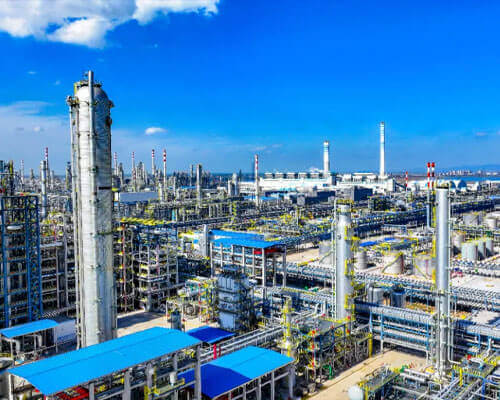
Sourcing, manufacturing, and moving chemicals for industry takes more than technical knowledge. It also calls for reliable partners across the entire chain, from the moment raw materials reach the gate to the day finished products leave on a ship or truck. One company that has grown visible in this landscape is Shenghong Petrochemical (Lianyungang) Port Storage and Transportation Co., Ltd. With the enormous increase in demand for chemical storage near ports, as well as the complex safety protocols and environmental challenges that go hand in hand with bulk materials, only direct experience—stacked up day after day—speaks to what’s most important. A colleague recently remarked that watching this facility expand mirrors the shifts we all see across the sector: more scale, more specialization, tighter oversight, and very little room for error. Over the years, these factors have constantly forced all producers in China, ourselves included, to step up process safety, predictability in logistics, and genuine midstream transparency.As a manufacturer, there is no passing the buck to a distributor if a railcar misses its slot or a truck leaves without the correct paperwork. A port hub, by necessity, must accept responsibility at every link—starting with vehicle disinfection and continuing through drum handling, tank transfers, emergency drills, and final load-out checks. When a site like Shenghong’s at Lianyungang receives a train or vessel, it is not just products but risk management at play. Take the matter of monitoring volatile organic compound (VOC) emissions during unloading; it is one thing to write a procedure and quite another to stand under the gantry on a rainy night, waiting to confirm seals are tight. Someone in this sector can’t step away from hands-on tasks, even with automation. We have seen incident reports from several Chinese industrial parks in the past when gaps in tank cleaning or improper warehouse segregation led to critical problems. Lessons from these slip-ups get written into daily routines: double checks on valve positions, logged atmospheric readings, and open lines of communication between operators and truck drivers. If these steps slip, the cost often hits community safety, not just the bottom line.The public and the regulators keep a close watch on operators at major coastal terminals. Over the last decade, the government has stepped up enforcement in areas like hazardous waste, industrial wastewater, and air quality. No facility escapes heavy inspection, and the time invested in reporting, responding to inspection teams, and carrying out upgrades rarely breaks into headlines. At a port site, there must be skilled staff who understand not just the letter, but also the intent behind China’s evolving set of environmental rules. Recording a leak in a tanker loading bay carries consequences far greater than a paper trail—each event calls decision-makers out to the yard to check sources, call in third-party clean-up, and reassure both regulators and the community. This accountability builds resilience in an industry that has watched shifting public trust. Environmental compliance is never just box-ticking; it’s about walking the tanks, checking level gauges by hand, hearing the hum of transfer pumps, feeling the ambient heat, and knowing the real speed of wind that could lift vapors over the fence.Long gone are the days when a few storage tanks met the needs of traders in a single province. Now, the drive for bigger capacity and faster turnarounds comes from refineries and downstream units which rely on seamless connection between tankage, rails, and marine terminals. Facilities in Lianyungang like Shenghong's transform the coastal region’s ability to link international shipments with national pipelines and road networks. Modern customs clearance and updated safety systems mean customers expect true 24-hour reception and dispatch. Negative headlines over export delays, contaminated batches, or tank overfills push every operator to build out loading automation, smart monitoring, and predictive maintenance. Direct, firsthand observation of corrosion, heat-tracing failures, or process upsets demonstrates that the infrastructure must keep up with every ton that passes through. In our own facility, the tight coupling between storage and production decided production scheduling, holiday work patterns, and raw material buying plans. Sites that can build flexible tank farms, arrange rapid turnarounds, and constantly invest in backup systems will always get higher marks from upstream and downstream partners.Accidents at chemical terminals, even when rare, do linger in the public memory, especially in regions familiar with the boom and bust cycles of heavy industry. Facility managers, including ours, have committed to open day policies, crisis drills, and better communication with port authorities and local emergency services. Years of feedback led us to change the way we staff shifts, brief newcomers, and even post signage about chemical hazards at gate points near logistics zones. Conversations with our counterparts at other manufacturers underscore that simply passing audits is not enough—earnest investment in real skills training for operators and drivers, support for environmental stewardship projects, and honest engagement with local communities guide practice. Some of this work leaves immediate, visible effects: less odor, fewer truck queues, quieter site operation at night. As competition grows along the Chinese coastline, only those firms willing to work with stakeholders rather than run ahead of them can sustain growth. The trade-off between expansion and reputation pops up with every new project proposal, recruitment drive, and legal requirement. Practical experience teaches that the best investment always lives in the daily routines, not just equipment or output.Daily operations at a port storage and transport operation reflect the realities facing all manufacturers on the eastern seaboard. Every new tank, automated gate, or environmental monitor introduces opportunities and risks. We have come to realize that technology alone cannot guarantee smooth workflows, nor do policies fix gaps if they skip genuine worker involvement or forget lessons from the field. From personal experience, nothing replaces walking the grounds, talking directly with teams on loading lines, and comparing notes honestly with other operators up and down the coast. Companies like Shenghong in Lianyungang represent the direction this sector heads: capital-intensive, safety-forward, heavily supervised, and bound by both regulatory and market expectations. For industry veterans, these changes present real prospects to improve standards and rebuild trust. No shortcuts exist in this work; every tank filled or shipped out carries both commercial promise and deep responsibility.
Read More
Jiangsu Sailboat Petrochemical Co., Ltd. (Sierbang)
2026-04-23

Jiangsu Sailboat Petrochemical Co., Ltd. (Sierbang)

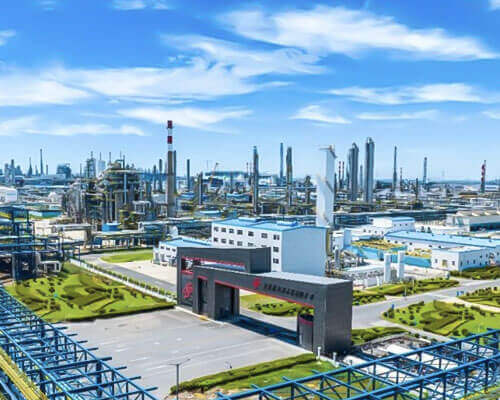
Every manufacturer sees big names in the chemical industry making headlines, but the real value comes from plants that focus on innovation and reliability where it counts. As a chemical producer, I have watched Jiangsu Sailboat Petrochemical—commonly known as Sierbang—challenge old habits and raise expectations. Their sprawling facility sprawls at Lianyungang in Jiangsu Province, not by accident, but because access to raw materials, port infrastructure, and talent converges there. Logistics costs drop, delivery delays shrink, and new supply chains take shape for downstream users in textiles, plastics, and high-performance fibers. This makes a difference for real people, not just supply chain theorists.Most people hear the name Sierbang and think of methanol, or its famed methanol-to-olefin (MTO) units. A typical licensor might praise efficiency, but inside the factory, process reliability becomes the measure of whether production lines keep people employed and goods moving across the country. Sierbang’s decision to scale up deep-processing—taking methanol all the way to acetic acid, ethylene, and polypropylene—shows how vertical integration trumps middlemen in real life. By controlling these steps, product output grows less volatile. Clients running full-scale plants depend less on regional market spikes in spot prices. Operators here talk of process safety, but the commitment goes further—routine investment in new process control, energy optimization, and environmental emissions management. These aren’t stories for annual reports; plant workers report them in daily shift notes, where even small deviations lead to focused troubleshooting.Major plants like Sierbang show how chemical manufacturing faces not just technical challenges, but growing scrutiny on carbon emissions and lopsided environmental risks. The Lianyungang base houses one of China’s largest single-site production lines, so its bets on cleaner energy and recycling systems hold consequences for the rest of us. Sierbang’s arsenal of recovery units for industrial water, waste heat integration, and high-efficiency distillation cut energy bills and limit greenhouse impact. From a manufacturer’s view, direct process improvements beat patchwork regulatory fines and scrambling for credits. The more such plants internalize these expectations, the easier it becomes for the whole sector to gain real ground on emissions, not just PR.Stepping outside the numbers, the demand for performance resins, synthetic fibers, and new polyolefins climbs every season. Customers expect not just resin, but consistency by the truckload—week after week, month after month. It’s not enough to publish product specifications or claim a new grade meets national standards; actual users resist testing out new suppliers unless those resins run smooth through existing extruders, laminators, and molding lines. Quality teams at Sierbang openly challenge batches within their plant, setting a competitive pace that pushes the rest of us to tighten process windows and reject more off-grade stock. Maybe it’s pride, maybe it’s accountability—but the end result is more predictable tools for the converters and compounders downstream.Sierbang brings a different side to industry collaboration too. They work with global catalysts and technology licensors, sometimes taking risks on new cracking or hydrogenation routes. It’s easy to dismiss these as technical footnotes, but the impacts compound when a better catalyst shaves a few percent off hydrogen use, or increases selectivity in olefin production. These gains creep into profitability and eventually trickle down to those of us buying feedstock. Every time purchasing reviews the balance between domestic and foreign supply, we compare Sierbang’s record on purity, shipping times, and volume commitments. No sales pitch replaces the experience of knowing shipments clear customs on the week promised, or that COA sheets align with what actually runs in the tank farm.Despite all this, no factory stands immune from volatility in oil markets, trade tensions, or typhoon-hit transport routes. Sierbang saw these disruptions early on. During COVID lockdowns, production cuts and slowdowns forced a rethink of just-in-time inventories and single-source dependencies. Sierbang’s capacity to ramp units up and down with minimal safety incidents set benchmarks for crisis management, giving raw material buyers a lifeline during the worst shipping closures. Their approach to local stockpiling—dividing some products between tanker, bag, and jumbo packaging—speeds up spot deliveries, especially for inland provinces cut off from major ports during heavy weather.Working in this field, I see how scale and innovation carry weight only if coupled with trust and technical follow-through. Sierbang succeeds where others slip because their shifts focus on output reliability, on-time loading, and measurable advances in emission controls. Behind every press article or industry data sheet stands a crew of engineers, operators, and supply chain specialists who anticipate failures before they snowball. This culture raises the bar for countless families at the end of the value chain—workers at OEMs, plastics processors, and even garment shops relying on a steady flow of polymer feedstock.Opportunities and risks multiply as demand steams ahead for lightweight materials, medical-grade plastics, and green chemistry alternatives. Sierbang’s recent investments in new ethylene oxide and propylene oxide lines capture both technical daring and big-picture pragmatism. Upstream, this means more jobs and training for rural talent. Downstream, it helps stabilize supply during raw material shortages, acts as a buffer against foreign dependency, and allows the local ecosystem to catch up with leading global standards. In an era plagued by price speculation, regulatory zagging, and worries over environmental externalities, the practical choices made by manufacturers like Sierbang help drag the rest of us into a more accountable and resilient future.

Read More
Jiangsu Shenghong New-material Group Co., Ltd Photovoltaic Grade EVA Resin
2026-04-23

Jiangsu Shenghong New-material Group Co., Ltd Photovoltaic Grade EVA Resin

Growing a chemical manufacturing business means more than pouring raw materials into reactors and shipping out bulk bags. Every finished polymer tells a story about shifting markets and scientific ambitions. These days, the world’s focus on renewable energy shines a very bright light on photovoltaic (PV) solar modules, and that makes a material like photovoltaic grade EVA resin a serious subject for anyone making new materials in a place like Jiangsu.The EVA resin used for encapsulating solar cells can make or break the lifespan and power output of the final module. Speaking as the people who blend, monitor, and fine-tune batch after batch, every inconsistent pellet leaves us sweating. The resin’s melt flow, cross-linking properties, optical clarity, and weather resistance count for more than any pretty certificate. If the film made with our resin clouds over or loses adhesion, nobody blames the converter or downstream processor. They ask about the resin and the lines where it was compounded.Our production teams see supply chain pressure up close. Raw material volatility impacts ethylene and vinyl acetate pricing and makes forecasting a technical challenge. A rapid increase in solar panel production in China, India, or the Middle East can empty stocks quickly, yet technical teams in the plant must not cut corners just to ship numbers. We have seen years where keeping up with demand meant continuous debottlenecking—adding new reactors, optimizing catalysts, and expanding blending equipment. Smart investments in process controls and data-linked reactors (so-called “smart manufacturing”) protect consistency and reduce error, but there’s no substitute for line operators who understand polymerization by smell and sound. This kind of hard-won knowledge ensures the EVA resin performs the way solar panel manufacturers expect.A few years ago, low-cost, low-performance EVA films flooded the market. Every informed customer now asks about high transparency, reduced shrinkage, and longer service life. They know poor-quality encapsulant can lead to yellowing and delamination after a summer or two on a desert rooftop. We have run accelerated aging tests in our labs, exposing samples of our own output to UV light, temperature swings, and water vapor. Failure analysis doesn’t lie. Small changes in the flow index or vinyl acetate content translate to real-world impact after installation. Rigorous process control and a deep understanding of polymer chemistry make the difference between leading the market and dealing with warranty claims. We eat, sleep, and breathe those details.Sustainability pressures follow every ton of resin sold. Beyond cost, global brands ask about the lifecycle of our products, traceability of synthesis steps, and waste handling. In our technical offices, engineers work on recycling strategies for post-life EVA films. Chemical recycling takes patience and a willingness to wrestle with technical headaches. Unlike commodity plastics, solar film materials must meet strict purity and performance requirements, so developers explore solvent-based processing, glycolysis, or other techniques to recover usable monomers. In manufacturing, the biggest challenge isn’t dreaming up solutions—it’s scaling them. Some of the smartest minds on our factory floor grind away at those problems daily.We face tougher regulation and scrutiny every year. Local and international standards set precise benchmarks on volatile content, gel fraction, and moisture resistance. Factory audits dig deep, asking about emissions and byproducts. Success always hinges on blending science, compliance, and manufacturing discipline. Our teams track performance data from our resin not only in the lab, but in real field installations. Our customers rely on transparent updates: which batch showed better stability, how processing windows shift in humid conditions, and what future formula changes could mean for line speed. No glossy brochure captures the weight of these discussions in the plant manager’s office.Solving supply and quality challenges in EVA resin production means recruiting and retaining chemists, engineers, and operators who see beyond order volume. We offer ongoing education and technical growth to keep pace with resin chemistry advances discussed at industry conferences. Employees meet suppliers and equipment vendors, learning what each change in catalyst or filtration system means for both throughput and final product. There’s no shortcut to building trust on the shop floor or with PV manufacturers pushing for record-breaking module performance.Our story follows the arc of the global push toward renewable energy. Each milestone—an upgraded extruder, a more reliable QC test, a breakthrough in cross-linking technology—echoes the effort poured into creating a better EVA resin. We know from direct experience how small formulation tweaks ripple into the field, affecting power output, module longevity, and investor confidence. As expectations for clean energy rise, the journey from raw ethylene and vinyl acetate monomers to world-class photovoltaic materials remains relentless. Hands-on science, technical curiosity, and a clear sense of accountability keep our factory floors running—and that is how reliable solar keeps powering forward.

Read More
Jiangsu Hongjing New Materials EVA / EVOH Resin
2026-04-23

Jiangsu Hongjing New Materials EVA / EVOH Resin

As a chemical manufacturer, we have spent years focused on sharpening processes and meeting rising demands for advanced materials. In the conversation about EVA (Ethylene Vinyl Acetate) and EVOH (Ethylene Vinyl Alcohol) resin, it’s easy to overlook how much true consistency and product performance ride on more than formulas. For us, every finished pellet and every shipment reflects hundreds of process tweaks, technical trials, and feedback from some of the world’s most exacting film producers, packagers, and engineers. In factories like those run by Jiangsu Hongjing, the expectations run high for both quality and delivery. There’s plenty of interest in the properties these resins offer, but there’s a more fundamental question underneath: can your operation actually supply grades that match the hype, batch after batch, without failing under the weight of scale or complexity? EVA and EVOH resins are everywhere—from food packaging that keeps meals safe for weeks to specialized films used by healthcare providers. Long years in resin production have taught us a simple fact: melt flow rate, vinyl acetate content, and oxygen barrier numbers only tell part of the story. The bigger test comes from customers running 24-hour lines with high-speed extruders, who find out quickly whose resin runs clean and whose batches gum up screens or drift out of spec. Jiangsu Hongjing made its name on a high-volume, high-consistency operation, which lines up with our experience. Nobody benefits from a shipment promising 28% VA content only to have a seven-day run thrown off by slight inconsistencies from silo to silo; the best producers know how to monitor, trace, and keep parameters tight. Customers have set the bar for resin quality as more governments and brand owners start pushing for lower migration and better recyclability. Some years back, adjustments in sourcing and process control were needed to keep up—there was no waiting for competitors to catch up with cheaper, less controlled batches. The cost of machine downtime trumps almost any price difference in resin, and manufacturers with deep process control frequently end up becoming the go-to partner, even if the sticker price runs higher. We see more companies today searching for full supply-chain visibility and safety records. The regulatory environment has moved forward quickly in food-contact, pharmaceutical, and personal care sectors. Take EVOH’s barrier properties, for instance. On the shop floor and in pilot plants, what matters most is stable performance—even more than theoretical oxygen permeability rates. Producers who simply move bags from warehouse to warehouse rarely see the full challenges with streamer formation, pellet weight variation, or color streaks that slip through common QA checks. Manufacturing folks at companies like Jiangsu Hongjing know how much these seemingly minor differences can affect downstream processes or final applications, especially as film layers get thinner and customers chase lower costs with higher output speeds. As requirements for FDA or EU food safety certification become more granular, resin manufacturers must operate their own labs and process controls rather than rely on off-the-shelf test reports. It takes significant investment in both people and equipment to offer full traceability, low impurity levels, and fast problem-solving when an unplanned deviation pops up. Direct experience in manufacturing shapes how we respond to new challenges, from regrind compatibility to adapting resin grades for bio-based or circular economy models. Businesses looking to reformulate for less plastic waste, lower migration, or incorporate more recycled content need technical support that comes straight from production, not the sales office. For EVA, that can mean switching catalyst regimes or fine-tuning cooling rates to dial in flexibility without losing clarity or bond strength. With EVOH, we constantly revisit polymerization steps to trim odor and keep lot-to-lot variations down, especially as demand surges for high-barrier food and pharmaceutical applications. Real-world issues, like surface gel formation, dusting, or the need for faster pellet delivery, don’t get solved with paperwork. Solutions come from ongoing investment in staff training, measurement automation, and quick-turn pilot runs that can adapt to changing needs without holding up the customer’s schedule.Trust gets built not from promise sheets or distributor claims, but from showing up consistently over years when customers call, even for problems outside a standard datasheet. End markets have grown more demanding as global brands start calling for higher recyclability, clarity, or migration resistance, and the only path to sustained partnership is delivering the resin, documentation, and follow-through without excuses. We have seen the costs and headaches that come from resin supplied by traders without plant-level backing—off-spec shipments, unreliable lead times, and technical support that vanishes after invoices are paid. By contrast, having command over raw material sourcing, reaction conditions, and local support teams simplifies troubleshooting and speeds improvements. Process data, application feedback, and improvement suggestions loop right back into the plant in real time, rather than taking weeks to travel through a chain of intermediaries. Customers benefit from a partner with skin in the game and the capacity to tune resin performance for evolving targets—whether that means thinner films, higher barrier properties, or compatibility with new adhesives and laminates.The EVA and EVOH markets continue to shift, driven by regulatory changes, end-use innovation, and the global push for improved environmental performance. New challenges push us to rethink process efficiency, reduce energy use, and innovate around lower-migration or bio-based recipes. Our teams spend their time testing resin grades through pilot extruders and application trials rather than spreadsheets, because the only way to deliver consistent performance is to know firsthand how each raw material and each plant adjustment affects the end result. What sets leading resin manufacturers like Jiangsu Hongjing apart is not access to a formula, but relentless commitment to adapting production and supporting customers through cycles of regulation, innovation, and cost pressure. Experience on the shop floor—from handling raw ethylene shipments through to the last pellet inspection—makes the difference. Our customers rely on us to keep pushing reliability, safety, and material efficiency forward, even as markets and requirements shift year by year.

Read More
Lianyungang Shunmeng Trading POE
2026-04-23

Lianyungang Shunmeng Trading POE

Every day, orders come across my desk asking about Polyolefin Elastomers, or POE, and sometimes the topic includes “Lianyungang Shunmeng Trading.” The actual story doesn’t begin with shipments and invoices. It starts with real pressure to secure high-grade feedstock, maintain process stability, prove mechanical properties batch after batch, and keep in line with growing customer expectations. For those of us truly producing the base polymer, there’s always intense focus on catalyst activity and reactor efficiency—details that never turn up in trade reports or brokered conversations. Trading houses like Shunmeng can influence market flows, but only a handful of manufacturers in the world tackle the full technical risk and continuous improvement in POE technology.Making POE begins far from the boardrooms of global buyers or the ink of a trader’s paperwork. Every lot means monitoring the co-monomer content, interpreting data from pilot reactors, and preempting downstream processing issues. In my plant, small changes in pressure, ethylene purity, or even plant humidity can throw off critical parameters such as crystallinity and melt index. When a trader introduces new sources or switches on behalf of a customer, that simple act can bring months of ripple effects to the entire line. We’ve had years with demand spikes driven by packaging, automotive trends, or the photovoltaic sector, but keeping up supply isn’t about dialing up an order—feedstock scheduling, reactor health, and technical staff all factor in. There’s a reason customers sometimes return to the producer for troubleshooting: only the producer has full records from catalyst preparation right through to extrusion and pelletizing.For POE, the temptation to shop around for the lowest cost source usually runs into some hard facts. I’ve seen specialty compounding clients struggle with variance in gel count or flow properties when sourcing outside established producer channels. Large-volume end users in wire and cable, for instance, depend on a tight balance of flexibility, compatibility, and stability—these don’t come from picking up any POE on the market. Producing elastomers for sensitive uses requires deep hands-on collaboration between plant production, customer technical teams, and sometimes the extrusion machinists themselves. Traders such as Shunmeng, acting as the link between end users and manufacturers, face limits here. They relay requirements, but when fine-tuned solutions for impact resistance or clarity fall short, the raw producer often re-engages directly. This is where years of lab testing, customer visits, and process audits set true manufacturing partners apart from intermediaries.These days, more players like Lianyungang Shunmeng Trading are active in POE distribution because real-time pricing and quick availability attract fast-moving industries. From a manufacturer’s standpoint, the drive to expand or shift supply chains can strain operational capacity. Resin plants can’t adjust smoothly to abrupt jumps in spot market demand. With China’s market growth and government support in chemical parks, the regional supply pool for POE is expanding. At the same time, reliance on imports of technical-grade catalysts and raw monomers means local oversupply rarely happens without global supply and demand balance. Even as competition picks up, we see many customers gravitate back to long-term agreements with source manufacturers after experiencing raw material inconsistencies or delivery delays through distributors. This feedback, gathered during technical visits and operational troubleshooting, underscores the confidence that direct supply relationships remain critical for serious users of advanced polyolefin elastomers.Large-scale POE production means every step is under intense regulatory and environmental scrutiny. It’s not enough to meet the product specification—the full process, from waste recovery to emissions and operator safety, must pass local and international audits. As a direct manufacturer, investing in continuous process upgrades, automation, and recycling is non-negotiable. End users, especially international brands and manufacturers, demand proof of both environmental responsibility and process safety from the source. Trading firms typically collect paperwork and relay questions, but on-site assessments and corrective action plans fall on the producer’s shoulders. With the global focus on sustainable supply chains, producers now get asked how they lower carbon output and close loop on process water, not just whether a shipment meets the right elasticity index or tensile profile.Working with original producers gives industry buyers a technical safety net when things aren’t working in the field. An unexpected drop in impact resistance or clarity in final parts leads to plant-side troubleshooting, sharing of historical process records, and direct lab analysis. In contrast, channels involving traders like Shunmeng can deliver short-term supply but hit a wall when facing tougher technical demands. Decision makers focused on automotive, medical, PV, or wire and cable markets often call for full transparency over batch reproducibility and supply chain traceability. Manufacturers retain records of every production run, offering traceability down to catalyst lot and extrusion line adjustments—no middleman can recreate that chain of responsibility. Even in years when supply margins are tight and there’s pressure to switch channels, experienced customers remember the difference between truly partnering with a producer and buying through a reseller with limited technical depth.Headline figures from trading activity can bend perceptions of real production cost and service value. Many times, we’ve seen aggressive price offers from newly active trading outfits, which look attractive on paper until real-world quality checks or application failures arise. Run-to-run process consistency, access to plant technical support, and real experience with customer application development are rarely built into cut-rate deals seen on the trading side. This goes double for industries facing regulatory audits, where end-to-end documentation from the point of raw material synthesis to finished part validation can save business relationships. In the factory setting, the long hours invested in process monitoring, impurity control, and documentation deliver more than a stable product—they secure tangible peace of mind for downstream users.As a manufacturer, the talk around Lianyungang Shunmeng Trading POE highlights the growing activity of professional trading groups in the region. But the responsibilities we shoulder in real polymer production reflect a different reality. Sustainable production, technical guidance, and reproducibility are not up for negotiation—they are the unspoken bargains in every serious supplier-customer partnership. Down every production line and in every polymer reactor, the pursuit isn’t just to fill another shipment; it’s to deliver assurance, continuity, and technical partnership for the industries demanding high-performance POE.

Read More
Jiangsu Sailboat Petrochemical EVA
2026-04-23

Jiangsu Sailboat Petrochemical EVA

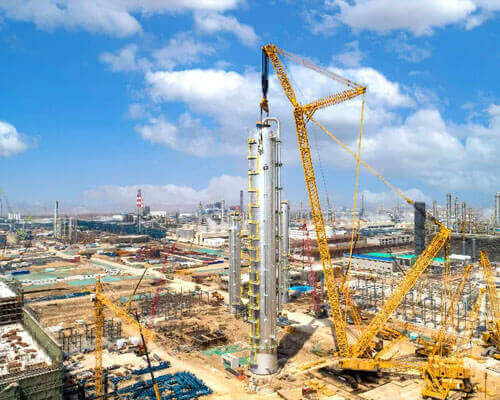
Every day here, the significance of EVA production means more than headlines might suggest. When a discussion circulates about Jiangsu Sailboat’s EVA, it's not theory to us—it's daily practice. The finished product in customers' hands starts with solid ethylene and vinyl acetate feedstock, sourced, shipped, and stored right here in our tanks. Years ago, learning to keep that feedstock pure and contamination-free taught us more about process control than any textbook could cover. Through all the shifts, bursts of plant start-ups and shutdowns, plus rounds of raw material inspections, we’ve refined these routines to a level where steady, predictable output becomes ordinary. That’s essential, because nobody wants to run a blown film or cable job with flaky resin.Most folks outside production might not realize the sensitivity of polymerization conditions in making EVA copolymer. In the reactor hall, small changes in pressure or temperature show up in the melt flow rate and the end-use performance. Early on, we faced plenty of unpredictable swings—a clog here, off-grade resin there. So we dug deeper into catalyst purity, better reactor monitoring, and faster feedback from quality labs. This continuous loop lets us push for tighter control, less variability, and higher output. EVA grades from Sailboat today support a wider span of industries, from foaming to solar encapsulation, than just a decade back.Recently, pressures on input costs and logistics brought the supply chain under a magnifying glass. The last few years have driven home the lesson that a resin line is only as reliable as its weakest supplier. That’s why long-term partnerships with key upstream vendors count for so much here. When the world shifts—whether because of energy price swings, environmental policies, or port congestion—the plant doesn’t stop. Our teams call suppliers direct and keep inventory disciplined, investing in redundant systems to head off bottlenecks. It means higher working capital sometimes, but production keeps running and our partners get their regular shipments.Meeting customer requirements isn’t just about achieving a certain VA content or melt index. Solar module backsheets, for example, have zero tolerance for yellowing under UV; foam shoe soles demand easy processability with tight cell structure. If EVA leaves the extruder without consistent performance batch over batch, converters pay the price. We spend time on-site with users, analyzing their extrusion lines and collecting feedback on rheology or pellet feed. This way, improvements at the reactor translate to fewer headaches for the manufacturer and smoother transitions between product runs.Environmental responsibility often prompts debate around large-scale EVA plants. Regulations affect our water discharge, VOC emissions, and waste management routines. Local authorities now require detailed monitoring and real-time data from our stacks and drains, so we integrated digital sensors at critical points years before it became compulsory. Our staff trains on emergency drills, and in routine shifts, waste separation and solvent recycling now run nearly automatically. We also collaborate with academic partners to pilot greener catalysts and lower-carbon process routes, tracking both performance and safety. These layered safeguards don’t come cheap, but plant reliability and local trust matter as much as short-term output.Tectonic shifts in EVA markets—especially around photovoltaic growth and flexible packaging—have pushed demand faster than old lines can evolve. As lines at Sailboat stretch their limits, capacity expansions are in the works. Installing new reactors means negotiating between yield, energy draw, and uptime in an area already crowded with activity. Each expansion brings its own hurdles: integrating control software, cross-training staff, synchronizing maintenance, and phasing in new environmental upgrades. Real progress doesn’t come from wishful thinking in management offices; it comes from hard-won fixes by technicians who’ve watched thousands of tons come down the line. We value that institutional knowledge, so we keep engineers and operators in the loop at every stage, from early design reviews to test runs.On the international side, certification requests and audit visits from major clients are more frequent than ever. Each customer checks for compliance on substances of concern, traceability, and consistency over long runs. Document stacks on our offices grow thicker every year, and teams track everything from monomer origin to warehouse temperatures. Sometimes, external auditors catch details internal teams overlooked, and that kind of feedback actually helps us raise the bar. We learned to turn regulatory demand into a lever for better organization and cross-border transparency, rather than treating it as a burden begrudgingly tolerated.Experience on the factory floor always shapes better solutions than guesswork. Technical bottlenecks led us to retrofit older equipment with new control logic, chasing even tighter deviations in melt flow and pellet size. Savings from these upgrades flow directly into training new hires, expanding lab capabilities and developing more specialty EVA variants. Partnerships with local colleges and polymer experts bring in fresh perspectives, especially as end-users push for lighter, cleaner, and higher-performing plastics. Some innovations flop, but many land as new commercial grades that our partners request year after year.Sailboat’s EVA production stands as a confluence of grit, technical skill, and practical adaptability. The market and regulatory landscape remains unpredictable, but dedicated teams, open communication, and a refusal to settle for mediocrity keep things moving forward. Each ton of resin reflects not abstract vision, but thousands of practical steps aimed at consistency, safety, and real-world performance. That’s what shapes progress here, and why news about our factory never feels like someone else’s story—it always connects to our daily reality.

Read More
Sailboat Petrochemical's overall business performance is sound.
2026-04-23

Sailboat Petrochemical's overall business performance is sound.

January 30 — In response to inquiries from researchers, Shenghong Group Holdings Limited stated that, as of 2025, the overall operational performance of Sailboat Petrochemical remains robust. The primary product portfolio of Jiangsu Sailboat Petrochemical Co., Ltd. includes EVA, acrylonitrile, MMA, butadiene, ethylene oxide, POE, and ultra-high molecular weight polyethylene, among others. Both Sailboat Petrochemical and Shenghong Refining & Petrochemical are situated within the Lianyungang Petrochemical Industrial Park; this proximity facilitates the mutual supply of raw materials—such as ethylene and propylene—thereby generating significant synergistic effects. Furthermore, the production units for products such as EVA and acrylonitrile are operating with a high degree of maturity and efficiency; their operating rates exceed the industry average, endowing the company with distinct cost advantages and substantial industrial synergies.

Read More
Jiangsu Sailboat Petrochemical GPEG 3000
2026-04-23

Jiangsu Sailboat Petrochemical GPEG 3000

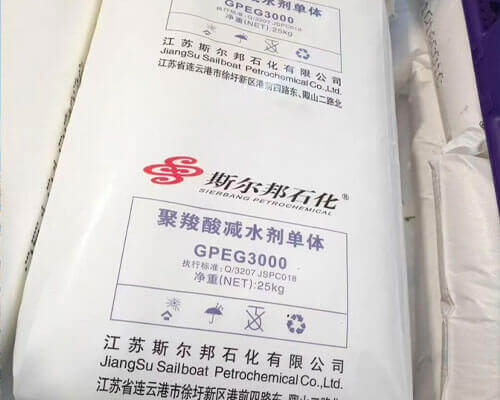
Each time I see GPEG 3000 moving through our facility at Jiangsu Sailboat, I think about the journey from synthesis to tanker truck. The work starts with raw material quality and consistent process control at every reactor, right down to monitoring exotherms and adjusting feeds to keep polymerization stable. Most people imagine precise digital dials, but our teams rely just as much on a memory for how a good reaction sounds, smells, and even feels beneath a gloved hand. Quality isn’t just a certificate—anyone who’s cleaned up a bad batch knows numbers on a chart don’t tell the full story. Fail to manage humidity, impurity uptake, or agitation rate—and you risk ruining several tons of product, not just disappointing a customer but wasting energy and putting strain on downstream operations.We’ve seen more clients shifting toward demanding grades like GPEG 3000, pushed by tighter downstream product specs and global supply chain scrambles. Manufacturers need high-purity material they can depend on, every time. Miss one delivery, and an entire coating or surfactant production line grinds to a halt. We’ve invested heavily in process optimization and analytics, but you can’t automate away experienced technicians who spot unusual residues, read pressure changes, and ask the hard questions before clearing a batch to packaging. In this kind of work, success depends on equipment maintenance, robust SOPs, and a company culture that rewards zero-defect goals, not rushed output.Exporting GPEG 3000 has brought us face-to-face with real-world logistics hurdles. Everyone talks about “supply chain transparency,” but let’s face it—it’s invisible until an overseas vessel delay or container shutdown keeps your product out of a customer’s reach. When a factory in Southeast Asia calls us about a late drum, our team checks on customs holdups, reroutes shipments using trusted local partners, and communicates directly with our clients. Every lost hour costs money for everyone along the line. Years of working through COVID-19 taught us that quick adaptation wins over rigid schedules, so we keep extra safety stock and avoid single-source suppliers whenever possible. As manufacturers, these practices come from experience. We prefer not to leave resilience up to luck or shortcuts.Chemistry isn’t just a science in a lab; it happens on the ground, in reactors that never rest. Customers sometimes ask for GPEG 3000 with “better dispersibility” or “lower color”; we listen, look at their processes, and, when possible, tweak our synthesis or purification steps to meet emerging needs. We don’t chase buzzwords. If a coating formulator tells us about issues in blending, we collaborate with our technical team and modify agitation rates, filtration steps, or drying profiles to deliver improvements that matter for their process. We don’t outsource accountability. Our control room teams and QC analysts stand behind every lot shipped. If a pipe joint fails at 2 a.m., maintenance is on-site with spares, not waiting for sunrise. That’s what it takes to avoid downtime and customer complaints.No one wants to read about chemical mishaps, especially after so many recent news stories from other industrial parks. Operating a modern GPEG 3000 plant means taking safety as a baseline, not a goal. From regular HAZOP reviews to dual containment on critical lines, we treat every shift change and maintenance window as a time for vigilance. Our operators don’t just wear personal protective equipment—they notice pressure signatures and smell leaks before sensors alarm. These aren’t tired slogans about “safety culture”—they keep real people, and millions of yuan in inventory, safe from disaster. Industrial reality means planning for equipment failures and human error. We embed redundancy where it matters, document every deviation, and treat near-misses as a chance to strengthen our process—not sweep mistakes under the rug.People aren’t just talking about carbon footprint reduction—they expect it from producers who know their stuff. At Jiangsu Sailboat, waste minimization and energy recovery aren’t afterthoughts. We recover steam, optimize utilities, and keep detailed logs to squeeze every available BTU from raw feedstock. Our wastewater plant runs continuously, and we keep an eye on effluent data to ensure tighter compliance than most permits demand. Clients and regulators visit often, and our process engineers know every question they’ll ask about emissions, recycling rates, and discharge quality. We treat this as a sign of progress in our industry, not a distraction or burden. Gaining trust doesn’t come from glossy brochures; it emerges from open gates, transparent records, and a staff that can answer anyone who asks—at any hour, any day.Anyone making GPEG 3000 in the current global environment faces cost swings in ethylene oxide and glycol supply, not to mention fluctuations in transportation and utility rates. There are no tricks to soften this; we plan, forecast, and hedge where we can, but price stability is a moving target. Customers come to us from both ends—their own costs rise, but they don’t want to pay more for raw materials. That’s the test of a real manufacturer: adjust processes for higher throughput, find new logistics partners when borders stiffen, and keep open lines with all stakeholders. Rather than holding back progress, we act ahead of disruptions, invest in training new operators, and upgrade control systems. We know the next generation of chemical manufacturing will demand more than incremental process improvements; it’ll require teams who think in terms of both efficiency and real-world reliability.Making GPEG 3000 means facing the limits of equipment, process, and patience. As we grow production, we don’t forget the lessons from every past batch—what goes wrong when a filter clogs, why one client’s process clumps if you don’t nail the specification, how reputation is built batch by batch. We answer directly when customers ask about lead times or possible contaminants; the trust we’ve earned comes from years of solving these tough questions, not side-stepping them. As lifelong chemical manufacturers, we take pride in meeting daily production targets, supporting customers through unplanned disruptions, and continuously refining our process to deliver value, not just product. This industry rewards those who show up, own their choices, and keep learning—one shipment, one reaction, one relationship at a time.

Read More